Claims trading in Serbian bankruptcy: transfer, buyer checks and tax effects
Claims trading in Serbian bankruptcy is possible while the proceedings run: a claim against a Serbian company in bankruptcy can be bought and sold, whether it has been established or disputed. Seller and buyer sign an agreement with authenticated signatures, the bankrupt debtor is notified in writing, and the buyer asks for the final list of established claims to be corrected in its name. No consent from the bankruptcy administrator, the court or the creditors' committee is needed.
The buyer is not buying the invoice amount. It buys a place on the list, a payment rank and litigation risk, so the price follows the claim's status.
This is not factoring: from the opening of bankruptcy, claims against the debtor are deemed due.
What can be transferred and what passes to the buyer
The Bankruptcy Law (Zakon o stečaju, Official Gazette of the Republic of Serbia ("Sl. glasnik RS"), No. 104/2009, 99/2011 - other law, 71/2012 - Constitutional Court decision, 83/2014, 113/2017, 44/2018, 95/2018 and 44/2025 - Constitutional Court decision) expressly allows established and disputed claims to be transferred (Article 117a(1)). The buyer of a disputed claim takes on the risk of the outcome of the dispute, but the transfer of the claim does not itself make the buyer a party to litigation already in progress.
Ancillary rights pass with the claim: priority of payment, mortgage, pledge, rights against a guarantor and interest (Law on Obligations (Zakon o obligacionim odnosima, "Sl. list SFRJ", No. 29/78, 39/85, 45/89 - decision of the Constitutional Court of Yugoslavia and 57/89, "Sl. list SRJ", No. 31/93, "Sl. list SCG", No. 1/2003 - Constitutional Charter and "Sl. glasnik RS", No. 18/2020), Article 437(1)).
If the underlying contract prohibits assignment without the debtor's consent, the assignment has no effect against the debtor (Article 436(2) of the Law on Obligations), and the Bankruptcy Law does not say that Article 117a overrides such a clause.
For a claim that has been filed but not yet examined, or not filed at all, the Bankruptcy Law has no specific rule, so the general rules on assignment apply; it is prudent to use the Article 117a form anyway. The buyer files an unfiled claim itself, within 120 days of the notice of opening in the Official Gazette (Article 111(5)), under the rules for any filing of a claim in Serbian bankruptcy.
How a claim is transferred: four steps
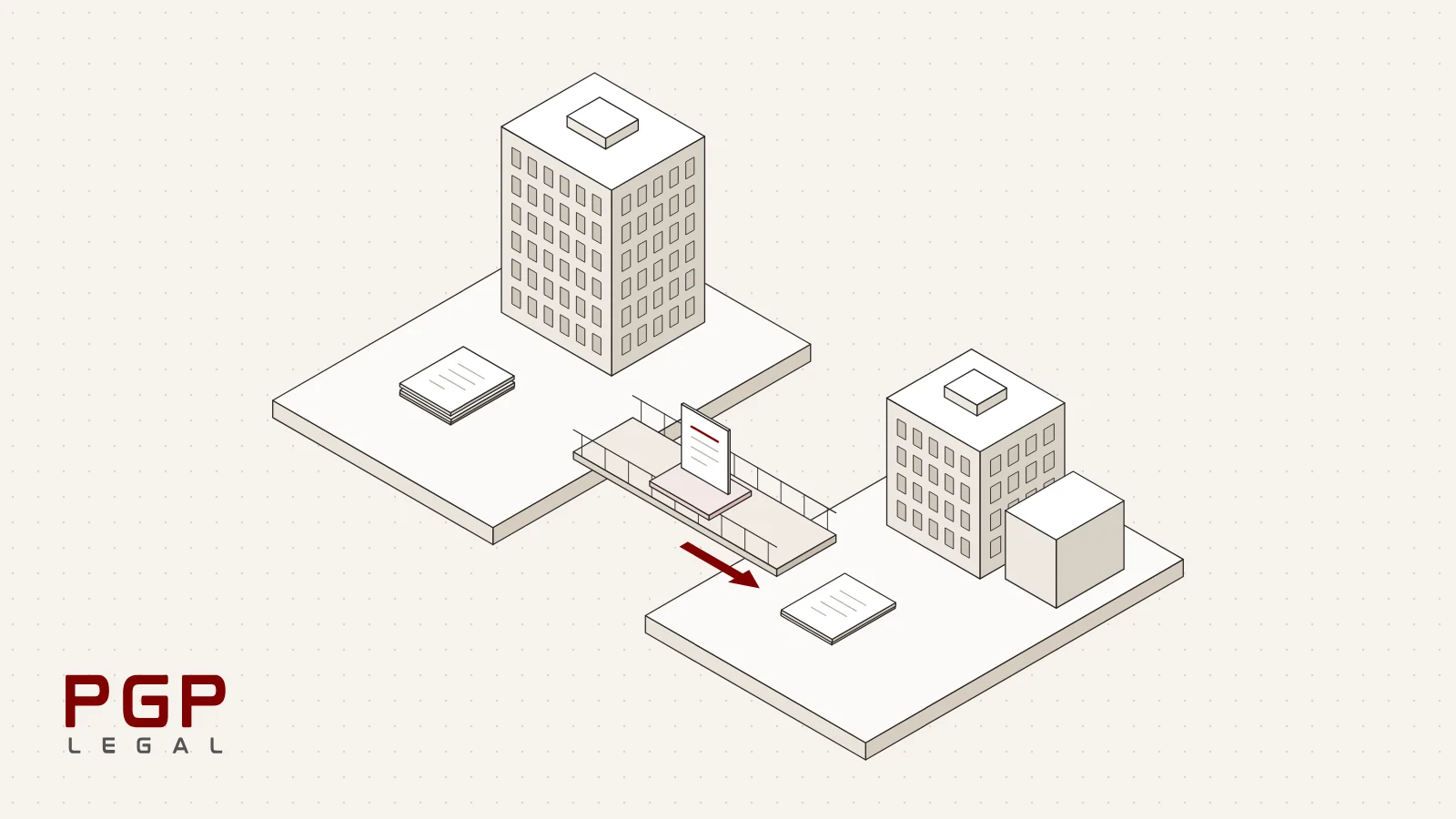
- Agreement with authenticated signatures. The signatures of assignor and assignee are authenticated under the law on authentication of signatures (Article 117a(2)). A mortgage-secured claim needs a stricter form, a notarial deed or a notarially solemnised document, and the transfer takes effect against third parties once registered in the real estate cadastre (Law on Mortgage (Zakon o hipoteci, "Sl. glasnik RS", No. 115/2005, 60/2015, 63/2015 - Constitutional Court decision and 83/2015), Articles 10(1) and 20).
- Written notice to the debtor. It goes to the bankrupt debtor, represented by the bankruptcy administrator from the opening of bankruptcy (Articles 117a(2) and 74(1) of the Bankruptcy Law). If a claim is sold twice, it belongs to the buyer of whom the debtor was notified first, or who first came forward (Article 439 of the Law on Obligations).
- Request to correct the list. The buyer asks for the final list of established claims to be corrected (Article 117a(3)). Until then, the seller remains on it.
- Handover of documents. The seller hands over the documents evidencing the claim and its ancillary rights (Article 441 of the Law on Obligations).
A payment made to the seller before notice is valid if the debtor did not know of the transfer (Article 438(2)), so the agreement should oblige the seller to pass on anything it receives after signing.

Pending litigation
If the seller is the claimant in litigation over a disputed claim, the buyer replaces it on the seller's written consent filed with the court (Civil Procedure Law (Zakon o parničnom postupku, "Sl. glasnik RS", No. 72/2011, 49/2013 - Constitutional Court decision, 74/2013 - Constitutional Court decision, 55/2014, 87/2018, 18/2020 and 10/2023 - other law), Article 204(3)). If the seller is the defendant, both parties must agree (Article 204(2)). Otherwise the case is completed between the original parties. The administrator may also dispute a claim based on an enforceable title if it has not passed to the bankruptcy creditor (Article 113(3), point 4 of the Bankruptcy Law), so the chain of transfers must be documented.
What the buyer checks before pricing
| Status | What it means for the buyer | What to check |
|---|---|---|
| Established | The list, with amount and rank, binds the debtor and all creditors (Article 116(5)) | Order on the list; earlier partial payments |
| Disputed | With litigation filed in time, the amount due is set aside until final resolution (Article 141); without it, the right is lost (Article 117(2)) | Receipt of the order and filing date (15 days; for continuing interrupted litigation, count on eight days, Article 90, point 4), notice to the judge, case file |
| Secured | Priority from the price of the encumbered asset, any shortfall as an unsecured claim (Article 49(1) and (2)) | Registration of the mortgage or pledge; a right obtained through enforcement or security measures in the 60 days before opening lapses (Article 49(3)) |
| Related-party loan | Fourth payment rank for loans made in the two years before opening, to the extent unsecured, except professional lenders (Article 54(4), point 4) | Who lent and when; security under Article 123(2) is ineffective in the bankruptcy |
A lower rank is paid only after the higher one is paid in full (Article 54(2)). The fourth rank depends on who made the loan (Article 54(4), point 4), and the buyer acquires the rights the seller had (Articles 436 and 440 of the Law on Obligations). On the wording of the law, a related-party loan therefore stays in the fourth rank even in the hands of a buyer that is not related to the debtor.

Avoidance is a separate risk. The debtor's pre-bankruptcy transactions, including security given to a creditor, can be challenged until the main distribution hearing (Article 119(4)), and also against a successor who knew of the grounds or acquired for no or negligible consideration (Article 129(4)). A buyer of a secured claim for negligible consideration buys that exposure too.
Once a reorganisation plan is confirmed, the claim is enforced solely on its terms (Article 167(1)).
When a claim is sold, the seller is liable for the claim's existence at the time of transfer (Article 442 of the Law on Obligations). It is liable for collectability only if this has been agreed, and then up to what it received from the buyer, as well as for the collectability of interest, assignment costs and the costs of proceedings against the debtor (Article 443(1)). Greater liability for collectability cannot be agreed for a seller acting in good faith (Article 443(2)).
Why claims are bought: recovery, votes and assets
The first reason is recovery: a pro rata share within the payment rank, after the costs of the proceedings and estate obligations, once the main distribution ruling is final (Articles 54(1) and 143 of the Bankruptcy Law). Contractual and default interest on unsecured claims ceases to be calculated on opening, and interest for the later period is paid only from a surplus left after all claims are settled; on secured claims it is calculated up to the realised value of the collateral (Article 85(1)-(3)).
The second reason is votes. In the creditors' assembly, votes follow the amount of the claims (Article 35(9)). At the first session of the assembly, the choice of administrator is decided by bankruptcy creditors whose claims have been shown to be probable in an amount exceeding 50% of the total claims of bankruptcy creditors (Article 35(5)). The same threshold applies to a decision to proceed directly to bankruptcy liquidation (bankrotstvo) at the first creditors' hearing (Article 36(4)). A secured creditor participates in the assembly only for the part of its claim that it shows is likely not to be covered by the collateral (Article 35(3)). Votes on a reorganisation plan are cast by class, and the bankruptcy judge assesses a disputed or unexamined claim for voting purposes (Article 165(1) and (3)).
A person related to the debtor (Article 125) buys no vote on the plan: apart from professional lenders, related persons form a separate class, do not vote on a reorganisation plan and cannot sit on the creditors' committee (Articles 165(7) and 38(8)).
The third reason is assets. The buyer of a secured claim takes the position of a secured creditor in Serbian bankruptcy, a creditor with a right of separate satisfaction: an objection to a proposed sale (Article 133(7)), a right of pre-emption in a private sale (Article 136g) and set-off of the secured claim against the price when buying the asset itself (Article 136b). Separate articles cover buying assets out of bankruptcy and buying a bankrupt company.
Set-off: why a late purchase does not help
The law preserves a set-off right acquired before the bankruptcy petition, provided the creditor files its whole claim and a set-off statement before the claims period expires (Article 82). Set-off is not allowed if the claim was acquired in the six months before the petition and the creditor knew or should have known that the debtor was unable to pay or over-indebted (Article 83(1), point 1). The general set-off rules in Articles 82 and 83 must be distinguished from the right of a secured creditor that buys an asset from whose price it has priority of payment: it sets off its secured claim against the price and, on account of the price, pays the costs of sale and other necessary costs and any remaining part of the price (Article 136b).
Tax: the seller's position and the buyer's
For a seller that keeps the claim, a write-off is deductible if the claim was previously included in income, was written off in the books as uncollectable and, among other options, was filed in bankruptcy (Corporate Income Tax Law (Zakon o porezu na dobit pravnih lica, "Sl. glasnik RS", No. 25/2001, 80/2002, 80/2002 - other law, 43/2003, 84/2004, 18/2010, 101/2011, 119/2012, 47/2013, 108/2013, 68/2014 - other law, 142/2014, 91/2015 - authentic interpretation, 112/2015, 113/2017, 95/2018, 86/2019, 153/2020, 118/2021, 94/2024 and 80/2026), Article 16(1)). The seller can reduce the VAT base for unpaid consideration only on a final court decision closing the bankruptcy (VAT Law (Zakon o porezu na dodatu vrednost, "Sl. glasnik RS", No. 84/2004, 86/2004 - corr., 61/2005, 61/2007, 93/2012, 108/2013, 6/2014 - harmonised dinar amounts, 68/2014 - other law, 142/2014, 5/2015 - harmonised dinar amounts, 83/2015, 5/2016 - harmonised dinar amounts, 108/2016, 7/2017 - harmonised dinar amounts, 113/2017, 13/2018 - harmonised dinar amounts, 30/2018, 4/2019 - harmonised dinar amounts, 72/2019, 8/2020 - harmonised dinar amounts, 153/2020, 138/2022, 94/2024, 109/2025 and 80/2026), Article 21(9)).
A deducted claim goes back into income when it is later collected or the creditor withdraws its filing (Article 16(10)); a transfer under Article 117a of the Bankruptcy Law does not require the filing to be withdrawn. For a seller that sells the claim, a loss on the sale is deductible in the tax period of the sale, in the amount shown in the income statement, and an impairment previously recognised as an expense remains recognised (Article 16a). According to Ministry of Finance opinion No. 510959 2023 10520 004 000 011 004 of 9 August 2024, the income from selling an impaired claim enters the tax base. A taxpayer that receives money after reducing the base charges VAT on it (Article 21(10)). The VAT Law does not expressly say whether the seller keeps its right under Article 21(9) after selling the claim.
A monetary claim is not among the rights whose transfer attracts absolute rights transfer tax (porez na prenos apsolutnih prava) (Law on Property Taxes (Zakon o porezima na imovinu, "Sl. glasnik RS", No. 26/2001, "Sl. list SRJ", No. 42/2002 - decision of the Federal Constitutional Court and "Sl. glasnik RS", No. 80/2002, 80/2002 - other law, 135/2004, 61/2007, 5/2009, 101/2010, 24/2011, 78/2011, 57/2012 - Constitutional Court decision, 47/2013, 68/2014 - other law, 95/2018, 99/2018 - Constitutional Court decision, 86/2019, 144/2020, 118/2021, 138/2022, 92/2023 and 94/2024), Article 23). VAT is not charged on dealings in monetary claims, except collection of claims on behalf of others (Article 25(1), point 6 of the VAT Law). The buyer checks the tax treatment of the difference between the price and the amount recovered with a tax adviser.
Is a licence needed to buy claims?
The Law on Factoring (Zakon o faktoringu, "Sl. glasnik RS", No. 62/2013, 30/2018 and 109/2025) governs the purchase of short-term claims not yet due, or future claims, arising from sales of goods and services (Article 2(1), point 1). Claims against a bankrupt debtor are deemed due on opening (Article 81(1) of the Bankruptcy Law), so buying them is not factoring and does not require the approval that the Law on Factoring prescribes for factoring companies (Article 5).
The Law on Banks (Zakon o bankama, "Sl. glasnik RS", No. 107/2005, 91/2010, 14/2015 and 19/2025) reserves to banks only the taking of deposits and, subject to statutory exceptions, lending and the issuing of payment cards (Article 5); buying claims is not among those activities. When a bank sells a claim, the Decision on Risk Management by Banks (Odluka o upravljanju rizicima banke, "Sl. glasnik RS", No. 45/2011, 94/2011, 119/2012, 123/2012, 23/2013 - other decision, 43/2013, 92/2013, 33/2015, 61/2015, 61/2016, 103/2016, 119/2017, 76/2018, 57/2019, 88/2019, 27/2020, 67/2020 - other decision, 89/2022, 77/2023, 13/2025, 51/2025 and 24/2026) applies as well: to reduce non-performing assets, a bank may assign a due claim against a legal entity to a non-bank legal entity too, and it must notify the National Bank of Serbia (NBS) of the intended assignment at least 30 days before the agreement is concluded (point 42a(2) and (5)). A non-resident buyer should also check the Law on Foreign Exchange Operations (Zakon o deviznom poslovanju, "Sl. glasnik RS", No. 62/2006, 31/2011, 119/2012, 139/2014, 30/2018 and 19/2025), which regulates transfers of claims arising from foreign trade and from cross-border credit transactions (Articles 7 and 20). In its published answers on the application of that law, the NBS takes the view that the law does not provide for a resident to transfer to a non-resident a claim against another resident, even where the resident took it over from a non-resident. On that view, a non-resident cannot buy a claim that a resident creditor holds against the bankrupt debtor.

When you need a lawyer
A lawyer helps with checking status and security, drafting the agreement and notice, and taking over litigation. In the field of bankruptcy and restructuring, PGP Legal also handles legal work for buyers and sellers of claims in bankruptcy, from checking the status of a claim to correcting the list.
For example, a company that buys a claim from the final list but neither notifies the administrator nor asks for a correction may find a partial distribution went to the seller. It must recover it from the seller (Article 438(2) of the Law on Obligations).
If you need the documentation reviewed or the procedure assessed, write to us.
Frequently asked questions
Does a transfer need the consent of the administrator or the court?
No. Article 117a of the Bankruptcy Law requires an agreement with authenticated signatures and written notice to the debtor.
Can a disputed claim be sold?
Yes. If litigation over the claim is already in progress, the buyer takes the seller's place in it under the conditions in Article 204 of the Civil Procedure Law; otherwise the case is completed between the original parties.
A creditor that does not start or continue litigation within 15 days of receiving the order loses the right to the disputed part; for continuing interrupted litigation, count on eight days (Articles 90 and 117 of the Bankruptcy Law).
Does the buyer also get the mortgage?
Yes, with the agreement in notarial form; the transfer takes effect against third parties once registered in the real estate cadastre.
Is buying claims in bankruptcy factoring?
No, because factoring covers claims not yet due and future claims, while claims against a bankrupt debtor are deemed due on opening.
If you need the documentation reviewed or the procedure assessed, write to us.
Sources
- Bankruptcy Law (Zakon o stečaju, "Sl. glasnik RS", No. 104/2009, 99/2011 - other law, 71/2012 - Constitutional Court decision, 83/2014, 113/2017, 44/2018, 95/2018 and 44/2025 - Constitutional Court decision), Articles 35, 36, 38, 49, 54, 74, 81-83, 85, 90, 111, 113, 116, 117, 117a, 119, 123, 125, 129, 133, 136b, 136g, 141, 143, 165 and 167.
- Law on Obligations (Zakon o obligacionim odnosima, "Sl. list SFRJ", No. 29/78, 39/85, 45/89 - decision of the Constitutional Court of Yugoslavia and 57/89, "Sl. list SRJ", No. 31/93, "Sl. list SCG", No. 1/2003 - Constitutional Charter and "Sl. glasnik RS", No. 18/2020), Articles 436-443.
- Law on Mortgage (Zakon o hipoteci, "Sl. glasnik RS", No. 115/2005, 60/2015, 63/2015 - Constitutional Court decision and 83/2015), Articles 10 and 20.
- Civil Procedure Law (Zakon o parničnom postupku, "Sl. glasnik RS", No. 72/2011, 49/2013 - Constitutional Court decision, 74/2013 - Constitutional Court decision, 55/2014, 87/2018, 18/2020 and 10/2023 - other law), Article 204.
- Corporate Income Tax Law (Zakon o porezu na dobit pravnih lica, "Sl. glasnik RS", No. 25/2001, 80/2002, 80/2002 - other law, 43/2003, 84/2004, 18/2010, 101/2011, 119/2012, 47/2013, 108/2013, 68/2014 - other law, 142/2014, 91/2015 - authentic interpretation, 112/2015, 113/2017, 95/2018, 86/2019, 153/2020, 118/2021, 94/2024 and 80/2026), Articles 16 and 16a.
- VAT Law (Zakon o porezu na dodatu vrednost, "Sl. glasnik RS", No. 84/2004, 86/2004 - corr., 61/2005, 61/2007, 93/2012, 108/2013, 6/2014 - harmonised dinar amounts, 68/2014 - other law, 142/2014, 5/2015 - harmonised dinar amounts, 83/2015, 5/2016 - harmonised dinar amounts, 108/2016, 7/2017 - harmonised dinar amounts, 113/2017, 13/2018 - harmonised dinar amounts, 30/2018, 4/2019 - harmonised dinar amounts, 72/2019, 8/2020 - harmonised dinar amounts, 153/2020, 138/2022, 94/2024, 109/2025 and 80/2026), Articles 21 and 25.
- Law on Property Taxes (Zakon o porezima na imovinu, "Sl. glasnik RS", No. 26/2001, "Sl. list SRJ", No. 42/2002 - decision of the Federal Constitutional Court and "Sl. glasnik RS", No. 80/2002, 80/2002 - other law, 135/2004, 61/2007, 5/2009, 101/2010, 24/2011, 78/2011, 57/2012 - Constitutional Court decision, 47/2013, 68/2014 - other law, 95/2018, 99/2018 - Constitutional Court decision, 86/2019, 144/2020, 118/2021, 138/2022, 92/2023 and 94/2024), Article 23.
- Law on Factoring (Zakon o faktoringu, "Sl. glasnik RS", No. 62/2013, 30/2018 and 109/2025), Articles 2 and 5.
- Law on Banks (Zakon o bankama, "Sl. glasnik RS", No. 107/2005, 91/2010, 14/2015 and 19/2025), Article 5.
- Law on Foreign Exchange Operations (Zakon o deviznom poslovanju, "Sl. glasnik RS", No. 62/2006, 31/2011, 119/2012, 139/2014, 30/2018 and 19/2025), Articles 1, 7 and 20.
- Decision on Risk Management by Banks (Odluka o upravljanju rizicima banke, "Sl. glasnik RS", No. 45/2011, 94/2011, 119/2012, 123/2012, 23/2013 - other decision, 43/2013, 92/2013, 33/2015, 61/2015, 61/2016, 103/2016, 119/2017, 76/2018, 57/2019, 88/2019, 27/2020, 67/2020 - other decision, 89/2022, 77/2023, 13/2025, 51/2025 and 24/2026), point 42a.
- Ministry of Finance opinion No. 510959 2023 10520 004 000 011 004 of 9 August 2024, Ministry of Finance Bulletin (Bilten Ministarstva finansija) No. 7-8/2024.
- National Bank of Serbia, Overview of Frequently Asked Questions on the Application of Foreign Exchange Regulations within the Remit of the National Bank of Serbia (Pregled najčešće postavljanih pitanja o primeni propisa o deviznom poslovanju iz nadležnosti Narodne banke Srbije), answers under Article 7 of the Law on Foreign Exchange Operations.