Bankruptcy proceedings in Serbia: how a company's bankruptcy runs, from petition to removal from the register
Bankruptcy proceedings in Serbia start with a petition by a creditor, the debtor or a liquidator to the commercial court (privredni sud) for the debtor's seat, and are opened once the court finds a ground for bankruptcy. A bankruptcy administrator (stečajni upravnik) then runs the company, creditors file claims with the court, and the case ends in bankruptcy liquidation (bankrotstvo), with the assets sold and the proceeds distributed, or in reorganisation under a plan the creditors adopt. The law sets deadlines for each stage, but not for the case as a whole.
The purpose of bankruptcy is the most favourable collective settlement of bankruptcy (unsecured) creditors (Bankruptcy Law (Zakon o stečaju, "Sl. glasnik RS", No. 104/2009, 99/2011 - other law, 71/2012 - Constitutional Court decision, 83/2014, 113/2017, 44/2018, 95/2018 and 44/2025 - Constitutional Court decision), Art. 2). At the first creditors' hearing (prvo poverilačko ročište), creditors holding more than half of all claims decide by themselves on the administrator and on bankruptcy liquidation (Arts 35 and 36). After the claims verification hearing (ispitno ročište), replacing the administrator without cause requires a proposal by the creditors' committee to remove the administrator and appoint a new one at the same time, supported by at least three quarters of its members, and the prior consent of the creditors' assembly (Art. 32(3)).
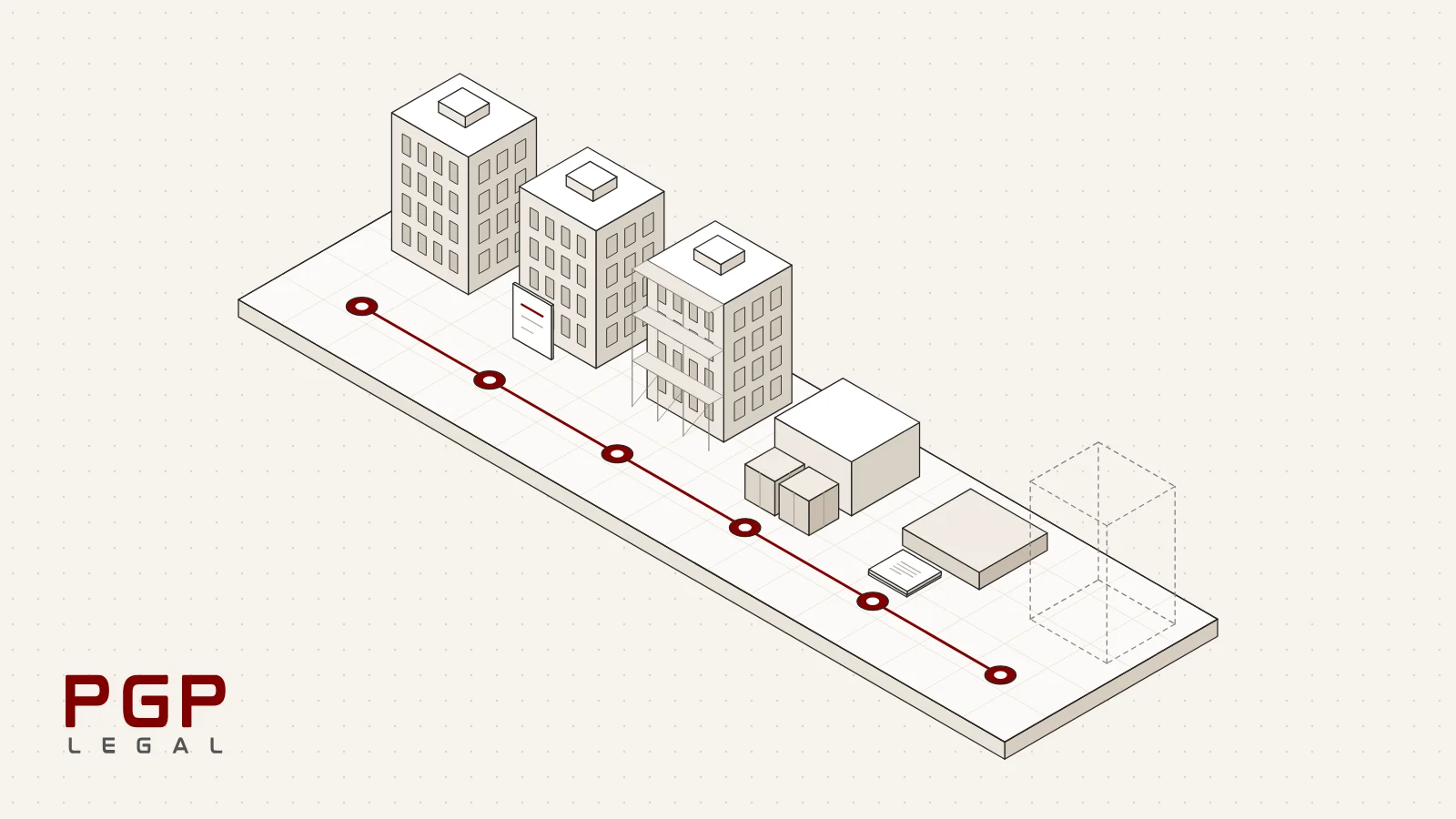
Stages of bankruptcy proceedings and statutory deadlines
Bankruptcy deadlines are preclusive unless the law says otherwise, and the proceedings are urgent (Arts 7 and 8). There is no restoration of a missed deadline (povraćaj u pređašnje stanje), so a missed deadline is lost (Art. 43).
| Stage | Deadline | Article |
|---|---|---|
| Preliminary proceedings | Opened within 3 days of the petition; lasts no longer than 30 days | 60, 67 |
| Hearing on opening | 30 days from the petition, or 10 days without preliminary proceedings | 68, 69 |
| Filing of claims | Period set in the opening ruling: 30-120 days from the notice in the Official Gazette | 70, 111 |
| First creditors' hearing | No later than 40 days from opening | 36 |
| Claims verification hearing | 30-60 days after the claims deadline expires | 72 |
| Reorganisation plan | No later than 90 days from opening; vote within 90 days of filing | 162, 164 |

Grounds for bankruptcy: when proceedings are opened
The court opens bankruptcy proceedings when it establishes at least one of four grounds (Art. 11):
- prolonged inability to pay: the debtor cannot meet its monetary obligations even 45 days after they fall due, or has stopped all payments for 30 consecutive days;
- imminent inability to pay: the debtor shows it is likely that it will not meet existing obligations when they fall due;
- over-indebtedness: the debtor's assets are worth less than its liabilities;
- failure to comply with an adopted reorganisation plan, or a plan obtained by fraud or unlawfully.
Where the petitioning creditor could not collect its claim through court or tax enforcement in Serbia, prolonged inability to pay is presumed and bankruptcy is opened without preliminary proceedings (Arts 12 and 60).
How a company's bankruptcy is started
A creditor may file a petition only for prolonged inability to pay or for reasons linked to a reorganisation plan, while the debtor may rely on any ground (Art. 55). The Tax Administration has no special standing as a petitioner: it files as a creditor, on the same conditions. A liquidator must file within 15 days of drawing up the opening liquidation balance sheet or report, if it shows over-indebtedness (Companies Law (Zakon o privrednim društvima, "Sl. glasnik RS", No. 36/2011, 99/2011, 83/2014 - other law, 5/2015, 44/2018, 95/2018, 91/2019, 109/2021 and 19/2025), Art. 539).
The petition is filed with the commercial court for the debtor's registered seat (Law on the Organisation of Courts (Zakon o uređenju sudova, "Sl. glasnik RS", No. 10/2023), Art. 27; Art. 16 of the Bankruptcy Law). Within five days of the court's order, the petitioner pays an advance on costs, capped according to the size of the legal entity; if it does not, the court dismisses the petition (Art. 59).
In the preliminary proceedings, the court may appoint a temporary bankruptcy administrator and prohibit payments, disposals of assets and enforcement (Art. 62). The petition may be withdrawn until the notice of opening is posted on the court's notice board (Art. 58). A debtor's own petition is covered in the guide to the debtor's bankruptcy petition.
Before bankruptcy: blocked accounts, liquidation and checking counterparties
A blocked account does not in itself open bankruptcy. The special procedure for long-term inability to pay was struck down by the Constitutional Court (IUz-850/2010 of 12 July 2012, "Sl. glasnik RS", No. 71/2012), so even after a long freeze, bankruptcy requires a petition (Art. 43). Management's options during a freeze are covered in the guide on a blocked company account.
Voluntary liquidation (likvidacija) is available only to a company that can pay all its obligations (Companies Law, Art. 524), and creditors may petition for bankruptcy while it is under way (Companies Law, Art. 527). How to choose between the two routes is explained in bankruptcy or liquidation, and the voluntary procedure in the guide to company liquidation in Serbia. Compulsory liquidation (prinudna likvidacija) is run ex officio by the Serbian Business Registers Agency (APR), with no call to creditors, and is discontinued if bankruptcy is opened (Companies Law, Arts 547 and 547a). The creditor's position is covered in compulsory liquidation.
A payment received in the six months before a bankruptcy petition may be challenged if the debtor was then unable to pay and the creditor knew or should have known it. The creditor is deemed to have known or to have been bound to know if it knew of circumstances from which the inability to pay can be inferred beyond doubt, in particular if the debtor's account had been frozen for at least 30 days without interruption (Art. 120(1) and (3)). The registers to use are described in checking a Serbian company before signing.
What changes when bankruptcy is opened
The legal effects of opening arise on the day the notice is published on the court's notice board (Art. 73):
- the powers of the director and other corporate bodies pass to the administrator (Art. 74);
- the accounts are frozen and the words "u stečaju" (in bankruptcy) are added to the company name (Arts 78 and 79);
- opening is a ground for terminating employment contracts (Art. 77);
- court proceedings concerning the debtor and its assets are stayed, and enforcement is prohibited, subject to the exceptions provided by law, including enforcement for obligations of the bankruptcy estate and the costs of the proceedings (Arts 88, 93 and 93a);
- the administrator decides whether to perform unperformed bilateral contracts and must answer a counterparty's request within 15 days (Art. 94);
- transactions that harmed creditors or preferred some of them can be challenged by avoidance actions (pobijanje), going back up to five years before the petition depending on the type of transaction (Arts 119-123).
What happens to a creditor's pending lawsuit is explained in the guide on pending litigation and enforcement.
What a creditor does after bankruptcy is opened
A creditor files a written claim with the court within the period set by the opening ruling: 30 to 120 days from the notice in the Official Gazette (Arts 70 and 111). A later filing is possible up to 120 days from the notice, at the cost of a supplementary claims verification hearing; after that it is rejected. Without a filed claim there is no share in the distribution. The details are covered in filing a claim in a Serbian bankruptcy.
The administrator draws up a list of admitted and disputed claims, and the final list is settled at the claims verification hearing, where creditors may also dispute other creditors' claims (Arts 113 and 114). A claim nobody disputes is established (Art. 116). A creditor without an enforceable title (izvršna isprava) whose claim is disputed has 15 days from receiving the bankruptcy judge's order to sue, and an application to resume a lawsuit stayed by the bankruptcy should be filed within eight days (Art. 90, point 4 and Art. 117(1)). A creditor that misses the deadline loses its right for the disputed part. The deadline for a particular creditor is stated in the order, which may also set a shorter one, so the order should be read on the day it is received.
Creditors with a mortgage, pledge or other registered right are secured creditors (razlučni poverioci, creditors with a right of separate satisfaction). They are paid first from the price of their collateral and, for any shortfall, as unsecured creditors (Art. 49); see the guide on secured creditors. An owner whose property is held by the debtor (izlučni poverilac) must request its exclusion before it is sold; after a sale, only other proceedings remain (Art. 112). Established and disputed claims may be transferred under an agreement with certified signatures (Art. 117a), which is covered in claims trading.
Who runs the proceedings: the judge, the administrator and the creditors
As a rule, the bankruptcy judge picks the administrator at random from the list of active administrators and rules on objections to the administrator's work (Arts 18 and 20). The administrator is personally liable for damage caused intentionally or through gross negligence (Art. 31).
The creditors' assembly (skupština poverilaca) consists of all unsecured creditors, and the creditors' committee (odbor poverilaca) has no more than seven members, always an odd number (Arts 35 and 38). The committee consents to transactions of exceptional importance and may propose the administrator's removal (Arts 32 and 40); how to obtain a seat on it is explained in the guide on the creditors' committee.
Bankruptcy liquidation or reorganisation
The judge rules for bankruptcy liquidation when creditors holding over half of the claims vote for it at the first creditors' hearing, or when no reorganisation plan is filed in time or adopted (Art. 131).
Reorganisation is permitted only if it gives creditors a more favourable settlement than bankruptcy liquidation (Art. 155). A plan may be filed by the administrator, creditors and owners of at least 30% of the capital (Art. 161). It is adopted when every voting class accepts it, and a class accepts it when creditors holding a simple majority of that class's claims vote in favour (Art. 165a). Once the ruling confirming the plan becomes final, the bankruptcy is discontinued and the plan becomes an enforceable instrument (Arts 166 and 167).
A debtor may also file a plan together with its bankruptcy petition. If the creditors adopt it, the court opens bankruptcy, confirms the plan and discontinues the proceedings in a single ruling, so the effects of opening never arise (Arts 73 and 160). This route is covered in the guide on the pre-packaged reorganisation plan (UPPR).
How assets are sold
After the ruling on bankruptcy liquidation, the administrator sells individual assets, groups of assets, all the assets or the debtor as a legal entity, by public auction, public tender or private sale (direct agreement) (Art. 132). The buyer acquires ownership on the basis of the bankruptcy judge's ruling and proof of payment, free of encumbrances and of any obligations that arose before the sale, including tax obligations and obligations to providers of services of general interest relating to the purchased assets (Art. 133(13)). What to check before bidding is covered in buying assets out of bankruptcy.
Selling the debtor as a legal entity requires the creditors' committee's consent and a prior valuation (Art. 135). After the sale, the bankruptcy is discontinued as regards the debtor, and neither the debtor nor the buyer is liable for claims that arose before the discontinuance; the sale proceeds go into the bankruptcy estate (Art. 136). What such a sale does not solve is explained in buying a bankrupt company.
Who has priority in debt repayment
From the price of mortgaged or pledged assets, the costs of sale and other necessary costs are paid first, then the secured creditors (Art. 133). From the rest of the estate, the costs of the proceedings are paid, then the obligations of the bankruptcy estate, then unsecured creditors by payment rank (Art. 54):
- net wages of employees and former employees up to the amount of minimum wages for the last year before opening, and pension and disability insurance (PIO) contributions for two years, calculated on the lowest contribution base;
- public revenues that fell due in the last three months, other than PIO contributions;
- all other unsecured creditors;
- loans from related parties made in the last two years, to the extent unsecured, except from lenders who lend in the ordinary course of business.

Tax that fell due before the last three months is paid in the third rank. Creditors of the same rank are paid pro rata, and a lower rank is paid only once the higher rank has been paid. Payment follows the final ruling on the main distribution, and objections to the draft distribution must be made within 15 days of its delivery to the creditors' committee (Arts 139, 140 and 143). If the ruling has become final in part, distribution proceeds for that part, and on the administrator's proposal it may proceed even before the ruling becomes final, provided that the funds needed to give effect to the appellant's rights are reserved in advance (Art. 143(2) and (3)).
How bankruptcy ends
The proceedings are closed by a ruling at the final hearing, and once final the ruling is sent to the register for the debtor's removal (Arts 145 and 148). If all the assets have been realised but lawsuits are still pending, the proceedings may be closed after the ruling on the main distribution, and the funds set aside remain in the bankruptcy estate, which is entered in the register of bankruptcy estates.
Assets found after closure are distributed in a subsequent distribution (Art. 149), and any surplus goes to the company's members only if all creditors have been paid in full (Art. 147). Where the assets are worth less than the costs of the proceedings, bankruptcy is closed without delay, unless a creditor or the debtor deposits the costs and asks for the proceedings to be conducted (Art. 13).
When you need a lawyer
It makes sense to involve a lawyer before the steps that cannot be repeated: the petition, the filing of a claim, the first creditors' hearing or a bid at a sale. In the field of bankruptcy and restructuring, PGP Legal represents creditors, buyers of assets out of bankruptcy and companies in financial difficulty.
For example, a company that is already unable to pay and, in the six months before a bankruptcy petition, settles debts only to selected suppliers creates payments that the administrator may challenge if those suppliers knew or should have known of its inability to pay (Art. 120).
If this situation applies to your company, get in touch so that we can review the risks before the next step.
Frequently asked questions
How long do bankruptcy proceedings last in Serbia?
The law sets no overall duration, only deadlines for each stage: the claims verification hearing takes place no later than 60 days after the claims deadline expires, which is no later than 120 days after the notice (Arts 70 and 72). After that, the law sets no deadline for realising the assets, but the judge removes an administrator who has taken no steps to realise them within a year of that hearing, unless prevented by force majeure or unforeseeable circumstances (Art. 32(1), point 4). On a pre-packaged plan, creditors vote no later than 90 days after the date of the ruling opening the preliminary proceedings (Art. 159(2)).
Can bankruptcy proceedings be terminated?
Only in the cases the law lists. Proceedings are discontinued where the debtor has only one creditor (Art. 13) or the petitioner withdraws the petition before the notice is posted (Art. 58). They are also discontinued after the debtor is sold as a legal entity (Art. 136) and when a reorganisation plan is confirmed (Arts 160 and 166). The law provides for no discontinuance based on a settlement with creditors outside a reorganisation plan.
Do employees have the right to unpaid wages in bankruptcy?
They do, within the limits of the first payment rank (Art. 54). Part of their claims is also paid by the Solidarity Fund (Fond solidarnosti) (Labour Law (Zakon o radu, "Sl. glasnik RS", No. 24/2005, 61/2005, 54/2009, 32/2013, 75/2014, 13/2017 - Constitutional Court decision, 113/2017, 95/2018 - authentic interpretation and 109/2025 - other law), Arts 124-127). This covers, among other things, wages for the last nine months before opening, at the level of the minimum wage, provided the claims have been established in the bankruptcy. An application must be submitted to the Fund within 45 days of delivery of the decision establishing the right to the claim (Art. 139(2) of the Labour Law). The Fund pays only what has not been paid in the bankruptcy, and an employee has no such right if the adoption of the employer's reorganisation plan has been confirmed (Art. 124(2), (3) and (5) of the Labour Law).
What are the risks for directors in bankruptcy?
Opening bankruptcy ends the director's powers, but not the director's duties. The director must hand over data, books, seals and passwords to the administrator and is liable to creditors for damage caused by withholding information or by a negligently prepared report (Arts 61 and 74). The Criminal Code (Krivični zakonik, "Sl. glasnik RS", No. 85/2005, 88/2005 - corr., 107/2005 - corr., 72/2009, 111/2009, 121/2012, 104/2013, 108/2014, 94/2016, 35/2019, 94/2024 and 63/2026) makes it an offence to cause bankruptcy, to cause a false bankruptcy and to damage creditors (Arts 232, 232a and 233). The first two offences also cover concealing assets, and on conviction the court may ban the offender from an occupation, activity or duty for one to ten years (Art. 85). The general rules are set out in the guide on director liability.
If you need the documentation reviewed or the procedure assessed, write to us.
Sources
- Bankruptcy Law (Zakon o stečaju, "Sl. glasnik RS", No. 104/2009, 99/2011 - other law, 71/2012 - Constitutional Court decision, 83/2014, 113/2017, 44/2018, 95/2018 and 44/2025 - Constitutional Court decision), Arts 2, 7, 8, 11-13, 16, 18, 20, 31, 32, 35, 36, 38, 40, 43, 49, 54, 55, 58-60, 62, 67-74, 77-79, 88, 90, 93, 93a, 94, 111-114, 116, 117, 117a, 119-123, 131-133, 135, 136, 139, 140, 143, 145, 147-149, 155, 159-162, 164, 165a, 166 and 167.
- Decision of the Constitutional Court IUz-850/2010 of 12 July 2012, under which Arts 150-154 of the Bankruptcy Law ceased to have effect ("Sl. glasnik RS", No. 71/2012).
- Companies Law (Zakon o privrednim društvima, "Sl. glasnik RS", No. 36/2011, 99/2011, 83/2014 - other law, 5/2015, 44/2018, 95/2018, 91/2019, 109/2021 and 19/2025), Arts 524, 527, 539, 547 and 547a.
- Law on the Organisation of Courts (Zakon o uređenju sudova, "Sl. glasnik RS", No. 10/2023), Art. 27.
- Labour Law (Zakon o radu, "Sl. glasnik RS", No. 24/2005, 61/2005, 54/2009, 32/2013, 75/2014, 13/2017 - Constitutional Court decision, 113/2017, 95/2018 - authentic interpretation and 109/2025 - other law), Arts 124-127 and 139.
- Criminal Code (Krivični zakonik, "Sl. glasnik RS", No. 85/2005, 88/2005 - corr., 107/2005 - corr., 72/2009, 111/2009, 121/2012, 104/2013, 108/2014, 94/2016, 35/2019, 94/2024 and 63/2026), Arts 85, 232, 232a and 233.